7th Ave Locksmith Service Team
Local locksmith team
Aug 3, 2026 10 min read
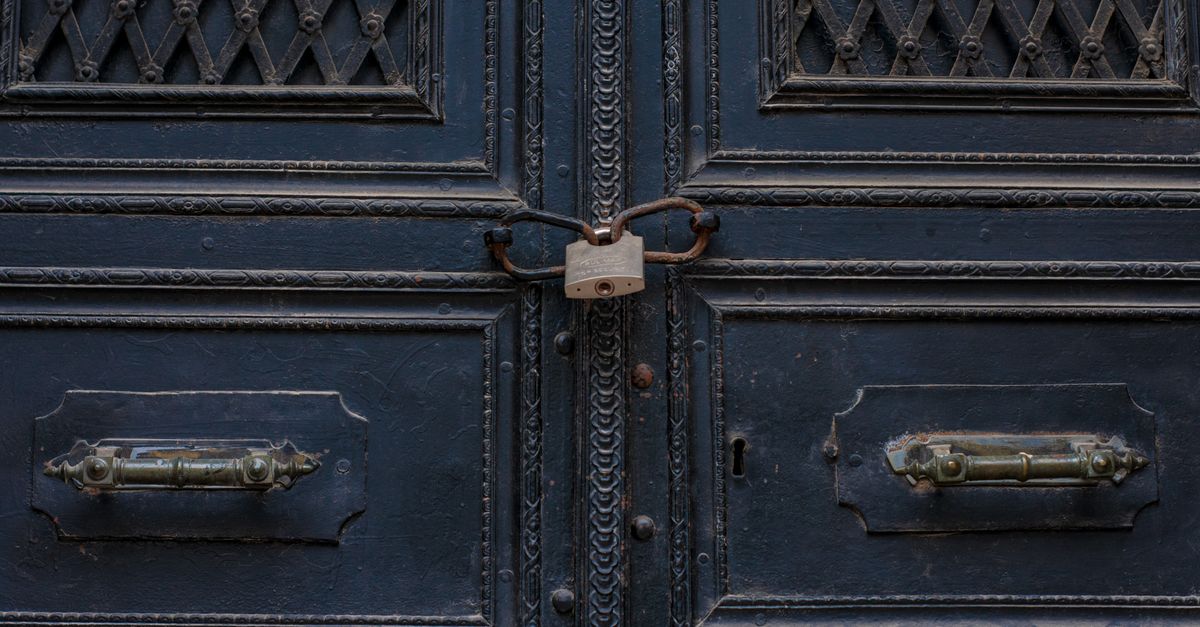
If you've ever wrestled with the long, rectangular faceplate on an old apartment door along Seventh Avenue or in the surrounding blocks of the FL neighborhood, you've already met a mortise lock — even if you didn't know its name. These deep-set, multi-function locks are practically a fixture of pre-war New York construction, built into thick wooden doors back when Manhattan apartments were engineered to last a century. The question most residents eventually face isn't whether they like the look of their lock; it's whether to keep repairing the one they have or finally swap it out for something newer.
This guide breaks down exactly what separates a mortise lock from a standard cylindrical lock, why the older buildings along this stretch of the city were designed around them, and how to make a smart, cost-effective decision when yours starts acting up. Whether you're a long-term tenant who just inherited a sticky deadbolt situation or a new owner trying to understand what's behind your ornate brass escutcheon plate, the answers below are practical, specific, and written for real New York doors.
## What Is a Mortise Lock — and Why Do Pre-War Buildings Rely on Them?
A mortise lock is a complete locking mechanism housed inside a pocket (the 'mortise') that is chiseled directly into the edge of a door. Unlike a cylindrical lock — the kind where a drill bit bores a round hole through the face of the door and a separate smaller hole through the edge — a mortise lock set integrates the latch, deadbolt, and often a privacy function into a single steel case. That case slides into the door body itself, which is why you'll see only a thin faceplate on the door edge rather than a visible cylinder housing. The result is a mechanically robust unit that distributes stress across a larger surface area of the door stile.
Pre-war construction in New York, including the dense residential blocks around Seventh Avenue in Midtown and the FL area, used old-growth Douglas fir and oak door blanks that were thick enough — often 1¾ to 2 inches — to accommodate that deep pocket without weakening the door. Builders of that era specified mortise hardware precisely because it was the strongest commercial-grade option available, and those same doors are still standing today. Brands like Corbin Russwin mortise lock units were workhorses in this market; their cast-iron internals were designed for decades of daily use in high-traffic buildings. If your building went up before World War II, there is a very good chance the lock in your door right now is either original hardware or a direct period replacement.
## Mortise Lock vs. Cylindrical Lock: A Side-by-Side Comparison
Cylindrical locks — sometimes called 'tubular' or 'bored' locks — are the modern standard for new construction because they are faster to install, require less skilled labor, and come in enormous retail variety. Schlage and Kwikset both make excellent cylindrical deadbolts that meet Grade 1 security ratings. But fitting a cylindrical lock into a door that was mortised for the older style is not a simple swap. You're left with a large rectangular void in the door edge that must be filled, patched, and refinished, and the round bore on the door face will be in the wrong position for most modern strike plates. In a pre-war door, that modification can actually weaken the stile — the structural vertical strip of wood that holds the lock.
The mortise lock, by contrast, excels in multi-function convenience: one turn of the interior thumb-turn can engage both the latch and the deadbolt simultaneously, which is why so many older NYC residents describe their lock as 'one-motion.' The trade-off is complexity. There are more moving parts — cams, levers, springs, and a separate mortise lock cylinder that must all work in concert. When one component wears out, the whole unit can feel unreliable. That's when homeowners start wondering whether a cylindrical lock on an exterior door would simply be less trouble. Often, the honest answer is: not if the door was built for a mortise.
## When to Repair Your Mortise Lock (and When an Upgrade Makes Sense)
Most mortise lock failures in older FL-area apartments fall into a predictable handful of categories: a worn cylinder that no longer turns smoothly, a broken cam that decouples the cylinder from the bolt, a fatigued spring that leaves the latch flopping, or a stripped set-screw that lets the interior knob spin freely. Every one of these is a repair, not a replacement scenario. A skilled locksmith can source replacement internals for most heritage units — including Baldwin mortise lock components, Corbin Russwin parts, and several other legacy lines — and rebuild the case in place without touching the door itself. If the body of the lock case is intact and the door was originally built around it, repair almost always preserves more structural integrity and more of the door's value than a full swap-out would.
An upgrade genuinely makes sense in a narrower set of situations: the lock case itself is cracked or the internal chamber has corroded beyond usable tolerances; the building has been renovated and the door is already a modern hollow-core replacement that wasn't cut for a mortise; or a landlord or co-op board has standardized on a new key system that requires a different cylinder format. In those cases, a professional assessment of the door thickness, stile width, and frame condition will determine whether a quality cylindrical deadbolt is the right path or whether a new mortise lock set exterior door installation is still the better fit. Need help figuring out which scenario you're in? Call (646) 349-7149 — our team is available around the clock and can assess your door on-site before recommending anything.
## Smart Mortise Lock Options and the 7th Ave Locksmith Service Breakdown
The category of smart mortise lock hardware has grown considerably in recent years, and it's now a realistic option for pre-war doors that still have their original mortise pocket. Several manufacturers produce smart lock modules that retrofit into an existing mortise case, replacing only the cylinder and interior thumb-turn with a Bluetooth- or Z-Wave-enabled mechanism while leaving the structural hardware in the door untouched. This is particularly appealing for co-op owners in the FL neighborhood who want keypad or app access without altering their door in a way that would require board approval for structural modification. That said, compatibility depends heavily on the dimensions of your existing case — a 1920s Corbin Russwin mortise lock case has different pocket dimensions than a 1960s-era unit — so a hands-on measurement is essential before purchasing any smart hardware.
Beyond mortise work specifically, 7th Ave Locksmith handles the full range of residential, automotive, and commercial locksmith needs that come up for people in and around the FL area. Our specific services include: mortise lock repair and rebuild; mortise lock cylinder re-keying; new mortise lock set installation on exterior doors; smart mortise lock retrofit and programming; cylindrical deadbolt installation; door knob lock repair and replacement; key duplication (standard and restricted keyways); master key system design; high-security cylinder upgrades (Medeco, Mul-T-Lock compatible); lock-out response for residential doors; lock-out response for commercial properties; emergency locksmith dispatch for broken keys in the cylinder; storefront door lock service; panic bar and exit device installation; electric strike and buzzer system service; mailbox lock replacement; padlock and hasp installation; garage side-door lock service; automotive lockout assistance; car key cutting and programming; transponder key duplication; key fob replacement and programming; ignition cylinder repair; safe opening and combination change; cabinet and file-cabinet lock replacement; intercom-integrated lock wiring assessment; and on-site security consultations for residential buildings. Whether it's a door knob lock that's stripped its set screw or a full commercial locksmith job involving a building-wide re-key after a management change, we carry the tools and parts to handle it without a second trip.
## What Determines the Cost — and How We Quote It
Pricing for mortise lock work varies more than most people expect, and the variation is legitimate. The factors that shape any final quote include the specific lock model and the availability of its replacement parts (heritage Corbin Russwin or Baldwin mortise lock components can require sourcing that a common cylindrical deadbolt would not), the condition of the door pocket and whether any wood repair is needed before reinstalling the case, whether the job is scheduled during standard hours or requires an emergency locksmith response in the middle of the night, and the travel distance to your specific address. A smart mortise lock retrofit also adds the cost of the hardware itself, which ranges widely by brand and feature set.
What we don't do is surprise you. Before any work begins, we confirm an exact price on-site — you know the full number before we turn a single screw. There are no trip-fee ambiguities folded into a low-sounding quote that balloons once the door is open. If you're on Seventh Avenue at 2 a.m. with a broken cam and a door that won't latch, we will tell you the number first. That's how we operate. Call (646) 349-7149 any time — day or night — and we'll dispatch a trained locksmith to your location, assess the situation honestly, and give you a clear quote before any work starts.
Frequently asked questions
What is a mortise lock and how is it different from the lock on a typical modern door?+
A mortise lock is a self-contained locking mechanism that sits inside a rectangular pocket chiseled into the door's edge, integrating the latch, deadbolt, and often a privacy function in a single steel case. A typical modern cylindrical lock, by contrast, uses two round holes bored through the door face and edge to hold a smaller, simpler mechanism. Mortise locks are mechanically more complex and were the commercial standard in New York pre-war construction because they distribute stress across the door stile more effectively — which is why so many FL-area apartments still have them today.
Can I replace my old mortise lock with a regular deadbolt without damaging my door?+
It's technically possible, but often not advisable on a pre-war door. The large rectangular pocket left behind by a removed mortise lock must be carefully filled and reinforced, and the door stile — the vertical structural strip the lock sits in — can lose integrity if that repair isn't done correctly. In many cases, repairing or rebuilding the existing mortise lock set is the better structural choice. A qualified locksmith can inspect your door and give you an honest assessment of whether a cylindrical swap-out or a mortise repair makes more sense for your specific situation.
My mortise lock cylinder turns but the deadbolt doesn't move — is the whole lock ruined?+
Not necessarily. The most common cause of this symptom is a worn or broken cam — a small rotating piece inside the case that translates cylinder rotation into bolt movement. Cams are a standard service part for most mortise lock models, including many Corbin Russwin and Baldwin units, and replacing one is a targeted repair rather than a full lock replacement. A locksmith who works regularly with mortise hardware can disassemble the case, identify the failed component, and source a replacement. Call (646) 349-7149 and we can diagnose the issue on-site.
Are smart mortise locks actually compatible with old pre-war door hardware?+
Some are, but compatibility is genuinely case-by-case. Smart mortise lock retrofit kits are designed to fit specific case dimensions and backset measurements, and a 1920s or 1930s mortise case may have non-standard pocket sizes compared to the dimensions those kits assume. The safest approach is to have a locksmith measure your existing case before you purchase any smart hardware. If the dimensions align, a retrofit can give you app or keypad access without any structural modification to the door — which matters a great deal if you're in a co-op or landmark building with restrictions on door alterations.